Burning the Last Tank: How the EV Takeover Will Reshape the Rental Car Experience Forever
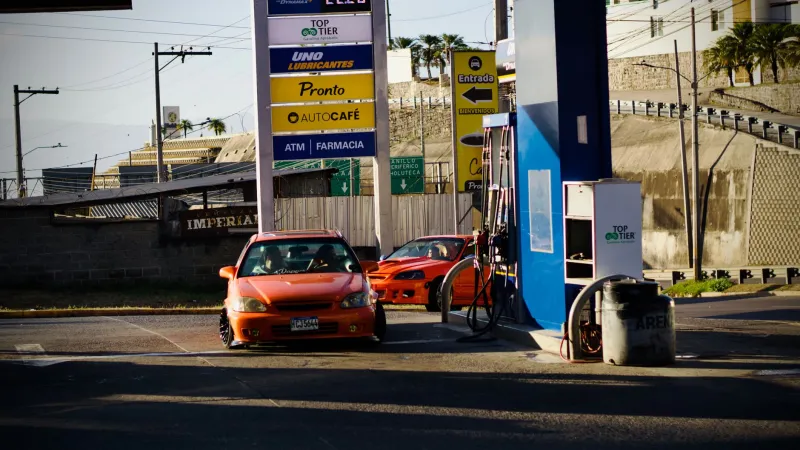
There's a particular kind of magic in a gas-powered rental car. Not the car itself necessarily — it might be a mid-size sedan with cloth seats and a too-bright infotainment screen — but the experience of it. The way the engine catches when you turn the key. The low, mechanical hum on a long stretch of highway. The fact that somewhere under the hood, controlled explosions are literally pushing you forward. That's not nothing. And for a growing number of drivers, it's starting to feel like something worth mourning before it's even gone.
The shift is coming. That much isn't up for debate anymore. Major rental companies including Enterprise, Hertz, and Avis have all made public commitments to electrifying significant portions of their fleets over the next decade. Hertz made headlines with its massive Tesla order a few years back. Enterprise has pledged to reach net-zero carbon emissions by 2050. The writing isn't just on the wall — it's been spray-painted in neon letters.
So what does that actually mean for drivers who care deeply about the act of driving?
The Experiences That Are Already Slipping Away
Let's be honest about what enthusiasts have already lost. Manual transmissions in rental fleets are essentially extinct in the US. The visceral engagement of rowing your own gears — something that defined sporty driving for generations — was quietly phased out long before the EV conversation started getting loud. So in some ways, this isn't a new story. It's the next chapter of one that's been unfolding for years.
But combustion engines still offer something that automatics and EVs both struggle to replicate: sound. The note of a V6 unwinding on a mountain pass. The raspy growl of a performance-tuned four-cylinder when you put your foot down. Even the mundane thrum of a full-size truck idling at a gas station has a certain character to it. These are sensory experiences that connect drivers to the road in ways that are genuinely hard to quantify but impossible to ignore once you've felt them.
Fuel stops, too, are part of the ritual. Pulling off a rural highway in Utah to gas up, grabbing a bad coffee, stretching your legs, staring at a map you didn't need to consult — that's road trip culture. Charging stops are getting better, but they're not the same. The choreography is different. The vibe is different.
What the Next Decade Actually Looks Like
Here's where it gets nuanced. The transition won't be instant, and it won't be uniform. Rural rental markets, smaller operators, and budget-tier fleets will almost certainly hold onto combustion vehicles longer than premium urban locations. If you're renting at a major metro airport in 2027, your default option might well be a plug-in hybrid or full EV. If you're picking up a truck at a small agency in rural Montana, you'll probably still be leaving with a gas-powered F-150.
Hybrid vehicles are likely to serve as the middle ground for several years — and honestly, they're not a bad compromise for drivers who still want some mechanical engagement. Many hybrids still offer a traditional driving feel with fuel efficiency layered on top. The Toyota Camry Hybrid, for instance, is already one of the most common rental cars in the country and drives in a way that most enthusiasts would find... acceptable. Not thrilling, but not sterile either.
Full EVs are a different conversation. The performance potential is real — anyone who's driven a Model 3 Performance or a Mustang Mach-E GT knows that electric acceleration is legitimately quick. But quick isn't the same as engaging. Torque delivered instantly and silently has its own appeal, but it doesn't scratch the same itch as a combustion engine building through its powerband.
How to Make the Most of What's Left
If you're a driving enthusiast and you haven't made a point of seeking out traditional combustion experiences in rental cars, now is genuinely the time to start. Not in a panicked, doomsday kind of way — but with intention.
Book that convertible Mustang for your next road trip through the Smokies. Rent the Jeep Wrangler and take it somewhere it was designed to go. Find the V8 full-size pickup option at your next destination and use it to tow something, haul something, or just feel what that kind of torque does to your spine on an on-ramp. These aren't indulgences — they're experiences with a shelf life.
Also worth considering: regional and specialty rental operators. Companies like Turo allow private owners to rent out their personal vehicles, and the combustion enthusiast inventory on that platform is remarkable. Classic muscle cars, sports sedans, weekend roadsters — you can rent a Dodge Challenger Hellcat in Phoenix or a BMW M3 in Denver for a weekend, and that market isn't going away anytime soon even as mainstream fleets electrify.
The New Experiences Worth Getting Excited About
It would be intellectually dishonest to frame this whole thing as pure loss. There are things about EV rental experiences that are genuinely compelling for drivers who approach them with an open mind.
Long-distance EV road trips are becoming a legitimate skill set. Understanding charge networks, planning routes around Supercharger locations, learning how to maximize regenerative braking on mountain descents — it's a different kind of engagement, but it's engagement nonetheless. Some drivers who've gone deep on EV road trips describe it as oddly strategic and satisfying, like a new type of driving game.
And the performance ceiling on electric vehicles is only going up. Rental fleets will eventually include vehicles with acceleration and handling numbers that no gas-powered economy car could touch. The experience will be different. But "different" doesn't have to mean worse — it just means you'll need to recalibrate what you're looking for.
The Bottom Line
We're somewhere in the middle of a transition that's going to feel slow until it suddenly feels very fast. The rental car enthusiast who loves combustion engines isn't wrong to feel a sense of urgency. Those experiences are finite. The timelines are real.
But the road itself isn't going anywhere. America's highways, backroads, mountain passes, and coastal routes will still be there waiting. The machines will change. The drive won't.
Fuel your passion while the pumps are still running — and stay curious about what comes next.