State Lines, Surprise Fees: What They Don't Tell You Before Your Cross-Country Rental
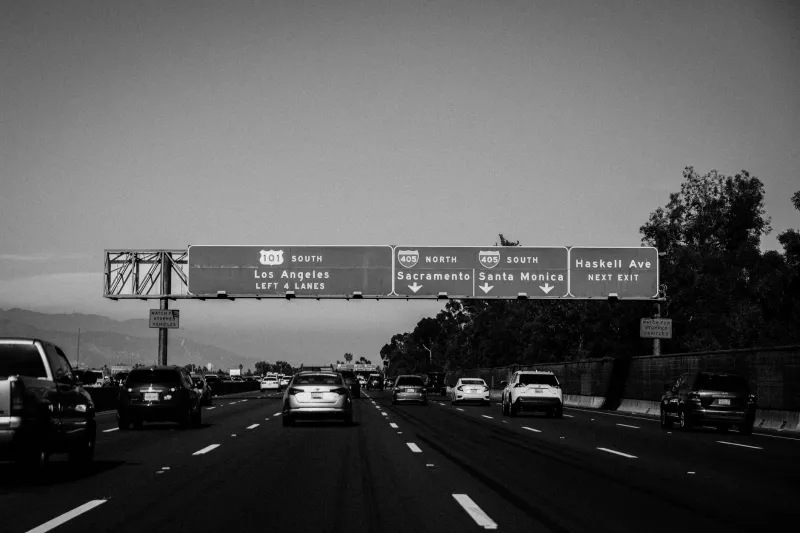
The road trip fantasy is pretty consistent: pick up a car, point it west (or east, or wherever the map takes you), drive until something interesting happens, and drop the keys at the other end. Clean. Simple. The American dream on four wheels.
The billing statement that hits your inbox three days later, though? That's a different story.
Cross-state rentals are one of the most misunderstood corners of the rental car world, and the industry has done exactly nothing to make them more transparent. Fees stack up in ways that aren't obvious at booking, insurance rules shift at state borders in ways that can leave you exposed, and one-way drop charges can turn a reasonable rental into an expensive lesson. Let's break all of it down before you hit the road.
The One-Way Fee Is Just the Beginning
Every driver who's done a cross-country rental knows about the one-way fee — the charge rental companies apply when you pick up in one city and return in another. What fewer people realize is how wildly it varies.
Some routes are almost free. Rental companies are constantly trying to rebalance their fleets, and if you happen to be moving a car in a direction they need it to go, you might pay nothing or close to it. Las Vegas to Los Angeles? Often cheap because Vegas gets flooded with cars over the weekend. Miami to Atlanta? Depends on the season and the company's current inventory situation.
Other routes are punishing. Moving a car from a low-demand market to a high-demand one when the company doesn't want to lose inventory can cost $200 to $500 on top of your base rental. And here's the thing: the fee isn't always shown clearly at the booking stage. It sometimes appears as a line item only when you're finalizing at the counter, or worse, on the post-rental invoice.
What to do: Call the rental company directly before booking any one-way trip and ask specifically about the drop charge for your exact route. Get a number. Then check if booking the same trip as a round-trip (with the return leg immediately canceled after pickup) is actually cheaper — it sometimes is, depending on the company's cancellation policy.
Insurance Gets Complicated When You Cross State Lines
Your auto insurance follows you across state borders. That part is generally true and generally fine. But the details matter, and rental situations add layers that can create real gaps.
Personal auto policies cover rental cars in the US — usually. The coverage typically mirrors what you have on your own vehicle. If you carry only liability on your personal car, that's what extends to the rental. If you have comprehensive and collision, those usually extend too. But some policies have exclusions for vehicles above a certain value, which matters if you've been upgraded to something nicer than expected.
Credit card rental coverage — the benefit that keeps a lot of travelers from buying the rental company's collision damage waiver — gets trickier on long trips. Most card benefits require that you charge the entire rental to that card and decline the CDW at the counter. They also have trip-length limits, often 15 to 31 days depending on the card. And critically, some cards classify certain vehicle types (trucks, exotic cars, luxury vehicles) as excluded. If your rental gets upgraded into an excluded category, your card coverage evaporates.
State-specific wrinkle: California has its own rules around rental car liability that differ from most other states, including minimum coverage requirements that can affect how your personal policy interacts with a California-pickup rental. If you're starting a trip in California, it's worth a five-minute call to your insurance agent before you go.
Taxes and Fees by State: A Genuinely Chaotic Situation
Rental car taxes are a patchwork of state, county, and municipal levies that makes the federal tax code look organized. Some states tax rental cars as a luxury item on top of standard sales tax. Airport locations layer on concession fees. Some cities have specific tourism or stadium surcharges that get buried in the "taxes and fees" line.
A few standouts to know:
Texas is notorious for high rental taxes. Between state taxes, local surcharges, and airport fees, you can add 25% or more to your base rate in major Texas cities.
Illinois — Chicago specifically — has some of the highest combined rental taxes in the country. A $50/day rental can easily become $70 after fees.
Florida adds a state rental surcharge on top of sales tax, and airport pickup locations in Miami and Orlando stack additional fees on top of that.
Nevada keeps base taxes relatively moderate but Las Vegas airport locations have their own fee structures.
The catch with cross-state rentals: you're typically taxed based on where you pick up the vehicle, not where you return it. So the state you start in determines your tax burden for the entire rental, which can work for or against you depending on the route.
The Return Location Trap
Here's a scenario that catches people off guard: you book a one-way rental, plan to return at Airport B, and then your plans change. Maybe you decide to extend the trip, maybe your flight changes. Modifying a one-way rental mid-trip can trigger completely new pricing — not just a prorated extension, but a whole new rate calculation that may or may not match what you originally booked.
Some companies also charge differently for city returns versus airport returns, even within the same metro area. Returning to an off-airport location in Denver might save you money. Returning to DIA might cost more. This isn't always obvious from the booking interface.
What to do: Before you modify a one-way rental, call and ask for the total new cost before you confirm anything. And always confirm the exact return location — address and hours — before you leave for the drop-off. Nothing adds unexpected fees like returning to the wrong location.
Fuel Policies Across Long Distances
Most rental companies default to a "return it full" fuel policy, which is fine for short rentals but adds a planning dimension to long road trips. On a 2,000-mile cross-country drive, you might be filling up six or eight times. If you're using the rental company's prepaid fuel option, you're paying their rate (often above market) for a full tank whether you use it all or not.
For long trips, the math usually favors the return-full policy — but only if you're disciplined about topping off before the return. Returning a tank that's even slightly low gives the rental company an opening to charge their "convenience refueling" rate, which is almost always punishing.
Plan It Like a Pro
Cross-state rentals aren't a trap you have to fall into. They're just a situation that rewards a little preparation:
- Book early and ask questions. One-way fees, drop charges, and available locations all improve when you're not scrambling last minute.
- Screenshot everything. The booking confirmation, the quoted fees, the rate summary — all of it. Disputes get resolved faster when you have documentation.
- Call your insurance company. Fifteen minutes before a long trip is worth more than an hour of arguing over a claim afterward.
- Know your credit card benefits cold. Pull up the actual benefit guide, not the marketing summary. The details matter.
The open road doesn't care about state lines. Your rental company's billing department absolutely does. Know the rules before you cross the border.