Don't Let the Rental Company Win: How to Fight Back Against Bogus Damage Claims

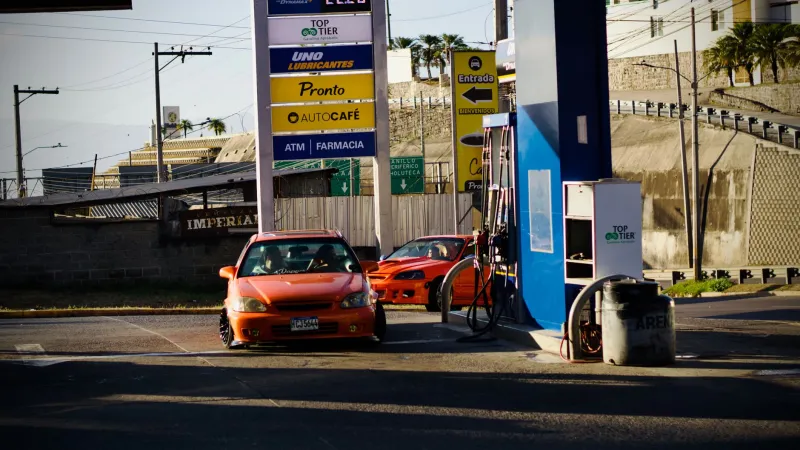
Photo: Benlisquare, CC BY-SA 4.0, via Wikimedia Commons
You returned the car in the same condition you got it. You walked the lot, checked the panels, handed over the keys, and went on your way. Then, three days later, a letter shows up claiming you owe $800 for a scratch that absolutely was not your fault. Sound familiar?
This is one of the most common — and most rage-inducing — experiences in the modern rental car world. And unfortunately, a lot of drivers just pay up because they don't know they have options. At GT Drivez, we believe you should be able to hit the road without worrying about getting shaken down on the back end. So let's talk about how to actually fight back.
Start Before You Even Touch the Wheel
The single most powerful thing you can do to protect yourself costs nothing and takes about five minutes: document everything before you drive off the lot.
We're not talking about a quick glance at the bumper. Walk the entire vehicle — hood, roof, rear, all four doors, both mirrors, the windshield, and the wheel wells. Use your phone to shoot a short video that captures every panel in continuous motion. Narrate it out loud with the date, time, and rental agreement number. Then do the same inside: the seats, the dash, the cargo area, and the floor mats.
Here's the part most people skip: make sure your footage shows the rental company's own condition report. If there's a pre-existing damage sticker or a paper checklist, film that too. You want a clear, timestamped visual record that matches — or contradicts — whatever they say was on file.
Upload that footage to the cloud immediately so it can't be disputed as edited later. If you're renting through a major chain, send yourself an email with the video link right there in the parking lot. That timestamp becomes your first line of defense.
Your Credit Card Might Be Your Best Friend Here
A lot of drivers know their credit card offers some kind of rental car protection, but most have no idea what it actually covers or how to use it when things go sideways.
Many travel-oriented cards — think Chase Sapphire Preferred, the Venture X, or even some everyday Visa Signature products — include secondary or primary collision damage waiver (CDW) coverage when you pay for the rental with that card and decline the rental company's own insurance. Primary coverage is the golden ticket: it pays out before your personal auto insurance even gets involved, which means no claims on your own policy, no deductible headaches, and no rate hike.
If a damage claim comes in, call your card's benefits line immediately. Don't wait. Most cards have a reporting window — often 30 to 45 days — and missing it can void your protection entirely. They'll walk you through the claims process, which typically involves submitting your rental agreement, the damage claim documents, and your documentation photos or video. The card's benefits administrator then deals directly with the rental company so you don't have to go toe-to-toe alone.
Pro tip: Before your next rental, actually call the number on the back of your card and ask a real human to explain your rental coverage. You'll be surprised how many people have solid protection they've never activated.
When the Rental Company Pushes Back
Let's say you've got your video evidence and you've filed a dispute. The rental company's damage recovery unit is still sending you invoices. Now what?
First, don't pay anything while the dispute is active. Paying — even a partial amount — can be interpreted as admission of liability, which weakens your position significantly.
Second, escalate beyond the local branch. The person at the counter has limited authority. The regional manager or corporate customer relations team often has much more flexibility to resolve disputes without going to collections. Look up the corporate contact information for whichever chain you rented from and send a formal written dispute via email, keeping everything in writing.
In your dispute letter, be specific: reference the date and time of your video documentation, note any discrepancies between the pre-rental inspection form and the damage they're claiming, and ask them to provide the full repair estimate along with proof the damage occurred during your rental period — not before or after. Rental companies are legally obligated to prove the damage happened on your watch. Many can't, especially at high-volume locations where cars cycle through multiple renters in a single day.
If the company has already sent the claim to a third-party collection agency, you have 30 days under the Fair Debt Collection Practices Act to request written verification of the debt. Send that request via certified mail. If they can't verify it properly, they're required to stop collection activity.
The Nuclear Option: Chargebacks and Regulators
If you've exhausted the direct dispute route and you're still getting nowhere, two additional tools can shift the power dynamic fast.
The first is a credit card chargeback. If the rental company charged your card for damages you believe are fraudulent or unsupported, contact your card issuer and dispute the charge. You'll need to provide your documentation, your written dispute correspondence, and a clear explanation of why the charge is invalid. Chargebacks aren't guaranteed wins, but they put the burden on the merchant — the rental company — to prove the charge is legitimate. Many don't bother.
The second option is filing a complaint with your state's Attorney General office or the Consumer Financial Protection Bureau. Rental car damage fraud is a documented pattern at several major chains, and regulatory bodies do investigate repeat complaints. Even if your individual case doesn't result in action, a formal complaint creates a paper trail and sometimes prompts the company to settle rather than deal with the scrutiny.
Some drivers have also had success posting detailed, factual accounts on public review platforms and tagging the company on social media. It's not the most dignified path, but corporate social media teams tend to escalate complaints quickly when they're visible to thousands of potential customers.
Build Your Defense Before You Need It
The best outcome is never needing any of this. But since rental car damage disputes are common enough to have spawned entire Reddit communities and YouTube channels, it pays to be ready.
Know your credit card coverage before you travel. Shoot thorough video at pickup and drop-off. Return the car during staffed hours when possible so you can get a written confirmation of condition on the spot. And if something does look off at pickup, don't drive away until it's documented on the rental agreement — not just on your phone.
Renting a car should be about the drive, not the drama. With the right habits and a little knowledge in your back pocket, you can keep the focus where it belongs — on the road ahead.