How to Read a Rental Car Like a Crime Scene: Spotting the Hidden Mileage They Don't Want You to See

Photo: mechanic inspecting rental car engine close up, via d.techtimes.com
You walk up to your rental. The mileage on the contract looks reasonable — maybe twelve thousand miles, maybe fifteen. The car looks clean. The agent at the counter smiled and told you it was a recent addition to the fleet. Everything checks out.
Except it doesn't.
Rental cars exist in a unique kind of punishment cycle. They're driven hard by people who don't own them, maintained on schedules that prioritize cost over care, and cycled through high-volume operations that create wear patterns no privately owned vehicle would ever develop. The odometer number is just one data point — and in some cases, it's the least reliable one.
Here's how to actually read a rental car before you sign the contract and drive off into someone else's problem.
Start With the Brake Pedal (Seriously, Start There)
The brake pedal is one of the most honest parts of any vehicle. Rubber wears down in a very specific pattern over time and use — and it wears down faster on vehicles that see aggressive, high-frequency braking from dozens of different drivers who all have different habits.
On a genuinely low-mileage vehicle, the brake pedal rubber should still have texture — you can feel the raised pattern under your foot. On a car that's been genuinely thrashed, that texture gets worn smooth. Sometimes you'll even see the metal substrate starting to show through.
The driver's floor mat tells a similar story. Look for worn patches directly in front of the pedals. A car that's seen hard use will have that mat looking like it's been sandpapered. No floor mat at all? That's sometimes a sign the original one was too far gone to keep.
These are the kinds of details that survive a detailing job. You can clean a car until it sparkles, but you can't unsmooth a brake pedal.
The Steering Wheel and Shifter Don't Lie Either
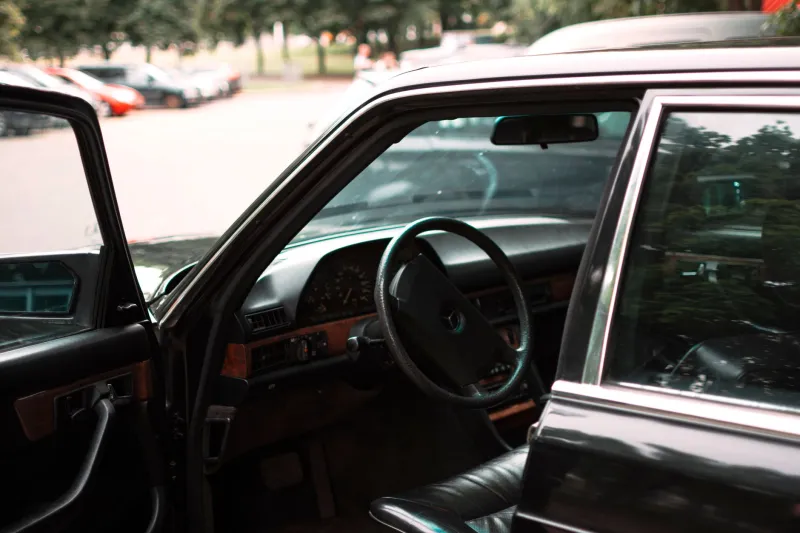
Grab the steering wheel and really look at it. Modern steering wheels are wrapped in materials that wear in predictable spots — the ten-and-two position (or wherever most people grip) will show discoloration and texture loss on a high-use vehicle. A wheel that's supposed to match the car's reported mileage but looks like it's been gripped by a thousand different hands probably has been.
Same deal with the gear selector. Automatic shifters get grabbed and yanked dozens of times per rental cycle. The area around the shifter — the trim, the surround, the button if there is one — accumulates micro-scratches and wear that detailing can soften but not eliminate.
If the car has a push-button ignition, check the button itself. A worn, slightly recessed start button on a supposedly newer vehicle is a quiet red flag.
Under the Hood: What the Engine Tells You
You don't have to be a mechanic to pick up on some basic engine-bay signals. Pop the hood if you can — not all rental situations make this practical, but it's worth doing when you have time.
First, look at the oil. Pull the dipstick and check the color. Fresh or recently changed oil is amber and relatively clear. Oil that's dark brown or black and smells burnt has been neglected — and neglected oil in a rental car often means the vehicle has been run hard between service intervals.
Next, listen when you start the car cold. A well-maintained engine with honest mileage should fire up cleanly and settle into a steady idle within a few seconds. Excessive ticking, rattling on startup, or a rough idle that takes longer than normal to smooth out can indicate an engine that's been under more stress than the paperwork suggests.
Finally, look at the belts and hoses if they're visible. Cracking, glazing, or visible fraying on components that should be relatively new given the reported mileage is a meaningful inconsistency.
Tires: The Mileage Counter You Can Actually See
Tire wear is one of the most reliable mileage proxies on any vehicle. A car with genuinely low mileage should have tires with plenty of tread depth remaining. You can do a quick check with a quarter — insert it into the tread with Washington's head pointing down. If you can see the top of his head, the tread is getting dangerously low.
But beyond depth, look at the wear pattern. Even wear across the full width of the tire suggests a properly maintained vehicle. Wear concentrated on the edges can indicate chronic underinflation — common in fleet vehicles that don't always get the attention they need between rentals. Wear concentrated in the center suggests chronic overinflation, which is less common but still notable.
Mismatched tires are another tell. If three tires look relatively new and one looks noticeably older or from a different brand, that's a sign the vehicle has been through enough use to require a partial tire replacement — and possibly more use than the odometer reflects.
The Maintenance Record Angle
This one requires a little more effort, but it can pay off. Rental car companies are required to maintain service records on their vehicles, and in some cases, you can request basic maintenance history before accepting a car. Most agents won't proactively offer this, but asking directly — especially if you're renting a premium or specialty vehicle — can reveal a lot.
Some fleet vehicles also have stickers inside the door jamb or under the hood that note the last oil change mileage and date. If the math between that sticker and the current odometer reading doesn't add up with the rental period timeline, you've found a discrepancy worth questioning.
Third-party services like Carfax can pull some rental fleet history if you have the VIN — and you do, because it's right there on the dashboard and the door jamb. A quick check takes two minutes and can surface accident history, service gaps, and ownership timeline data that the rental company isn't going to volunteer.
What to Do When You Find Red Flags
If your inspection turns up enough inconsistencies to make you uncomfortable, you have real options. Ask the agent for a different vehicle — frame it as a preference, not an accusation, and most agents will work with you. If the lot is limited, ask to see the service record or speak with a manager.
Document everything with your phone before you drive off. Photograph any existing damage, the odometer, the tire condition, and any wear points that concern you. Email those photos to yourself immediately so they're timestamped. This protects you from bogus damage claims and creates a paper trail if the vehicle turns out to have mechanical issues during your trip.
The Bigger Picture
Rental cars work hard. That's not a secret. But there's a difference between a well-maintained high-mileage vehicle and one that's been run into the ground and dressed up to look otherwise. The inspection techniques here won't make you a certified mechanic, but they'll make you a significantly smarter renter — and that's half the battle at the counter.
Know what you're getting into before the keys are in your hand. The car will tell you everything, if you know how to ask.