Warehoused and Waiting: The Strange Limbo Where Rental Cars Go to Disappear
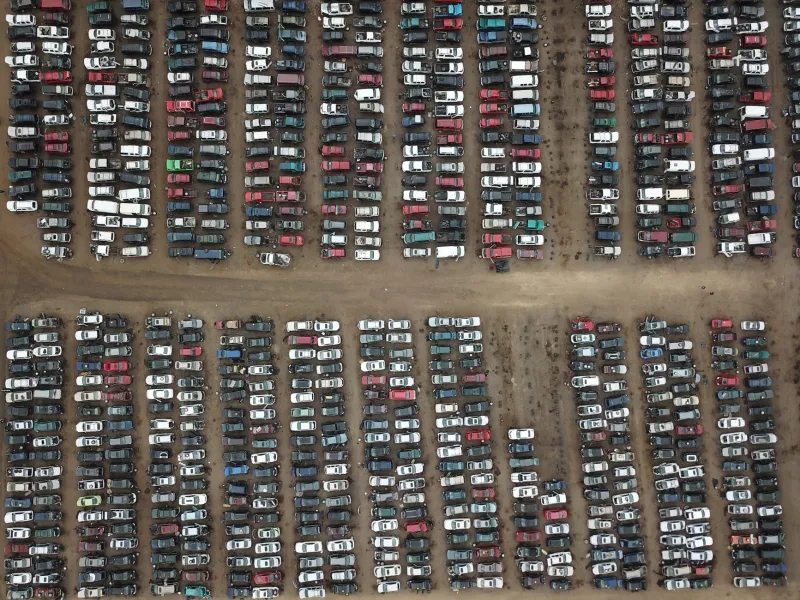
Somewhere outside of Phoenix, there's a parking lot the size of a small neighborhood. It's not a dealership. It's not an auction yard. It's a holding facility — rows upon rows of rental cars baking in the desert sun, waiting for someone to decide what to do with them. No customers. No keys turning in ignitions. Just inventory, idling into depreciation.
This is the ghost fleet problem. And it's a bigger deal than most people realize.
What Actually Happens Between Demand Spikes
Rental car companies operate on a demand curve that's about as predictable as a mountain road in fog. Spring break and summer explode with customers. Late fall and the dead of winter? Crickets — at least outside of ski country and holiday travel corridors.
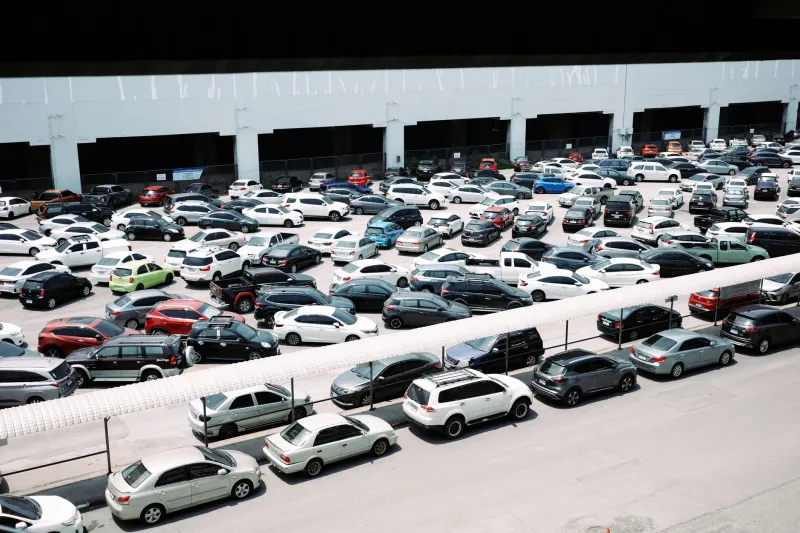
During those quiet stretches, fleets don't just shrink. They get warehoused. Major operators like Enterprise, Hertz, and Avis Budget Group maintain relationships with third-party storage facilities scattered across the country — particularly in Sun Belt states where the climate is gentler on sitting vehicles. When demand craters, cars get shuttled off to these lots and essentially vanish from the active fleet.
"You're talking about a juggling act with tens of thousands of units," said one fleet operations manager at a mid-sized regional rental company who asked not to be named. "When a location is running at 40 percent utilization, you don't want those cars sitting in your lot eating up space and showing up on your depreciation reports. You move them."
The math is brutal. A car sitting idle still loses value — roughly $30 to $50 per day in depreciation on a mid-range sedan, depending on model year and mileage. Stack that across a fleet of 10,000 vehicles sitting dormant for six to eight weeks during a slow season, and you're staring down losses that would make most small businesses fold overnight.
The Storage Economy Nobody Talks About
There's an entire shadow industry built around housing these vehicles. Off-airport storage operators, former manufacturing lots repurposed as vehicle parks, and even airport overflow facilities all play a role. Some rental companies own their storage land outright. Others lease by the spot, paying anywhere from $50 to $150 per vehicle per month depending on the market.
Then there's the maintenance piece. A car that sits for months needs more attention than one turning over daily. Tires develop flat spots. Brake rotors surface rust. Batteries drain. Rodents occasionally find their way into engine bays in rural storage locations — a problem that sounds funny until you're the fleet manager writing a repair order for a chewed wiring harness.
"People think a parked car is a safe car," said a former Hertz regional fleet coordinator who now consults independently. "But stationary vehicles have their own set of problems. We'd pull units out of storage and find all kinds of surprises. A lot of them needed a day of prep work before they were road-ready again."
That prep time matters. It's part of why, when demand suddenly surges — a major convention hits town, a hurricane displaces thousands of people, spring break collides with a Taylor Swift tour stop — rental companies can't just flip a switch and flood the market with cars. The ghost fleet takes time to wake up.
What This Means When You Show Up at the Counter
Here's where the ghost fleet stops being an abstract business problem and starts being your problem.
Rental availability is not a static thing. It's a living system that responds to seasonal forecasting, corporate allocation decisions, and the lag time between warehoused inventory and active deployment. When demand spikes faster than models predicted, you get the classic scenario: you booked a midsize sedan three weeks ago, and now the agent is offering you a minivan or a compact because that's what's actually on the lot.
Seasonal inventory data tells a pretty clear story. According to publicly available fleet utilization figures from several major operators, active fleet sizes can swing by 20 to 35 percent between peak and off-peak periods at major US airport locations. That's not a small variance. That's the difference between a location that has 300 cars ready to roll and one that's working with 195.
The off-peak pullback also affects vehicle quality, not just quantity. When companies warehouse inventory, they tend to hold back the newer, lower-mileage units — the ones with better resale value and more desirable specs. What gets pulled first and warehoused longest is often mid-tier stuff: the 2022 Chevy Malibu with 40,000 miles that nobody's fighting over at auction. That means during shoulder seasons, the active fleet skews older and less exciting.
The Pricing Paradox
You'd think a fleet with warehoused inventory would translate to lower prices — supply up, demand steady, rates drop. But it doesn't always work that way.
The cost of warehousing, maintenance, and the eventual recommissioning of those vehicles gets baked into the overall operating cost structure. Rental companies aren't charities. Those expenses have to be recovered somewhere, and "somewhere" is usually the rate card.
There's also a psychological pricing element. During slow periods, companies aren't necessarily trying to fill every reservation at rock-bottom rates. They're managing yield — trying to extract the right revenue per available car day rather than just maximizing occupancy. It's the same logic hotels use. An empty room that rents for $180 beats a full room at $90 if your cost structure demands it.
The flip side is that savvy renters who understand the seasonal inventory cycle can occasionally find genuine deals during those demand valleys — particularly on premium vehicles that the company is motivated to move before they get shuffled off to storage. Timing matters.
The Bigger Picture for Drivers
The ghost fleet problem is really a story about how the rental industry is structured around volatility. Companies built their models to handle massive swings in demand, and warehousing is one of their primary tools for managing the downside. It's not glamorous, and it's not particularly customer-friendly when the system misfires, but it's the reality of running a fleet that has to serve a spring break crowd in March and a ghost town in November.
For drivers, the takeaway is simple: availability isn't guaranteed, and the inventory you see at booking doesn't necessarily reflect what's physically on the lot. Booking early, understanding seasonal patterns, and having a backup plan aren't just smart moves — they're survival skills in a system that's juggling thousands of cars across dozens of markets at any given moment.
Somewhere outside Phoenix, those cars are still sitting in the sun. Eventually, they'll be back on the road. The question is whether one of them was supposed to be yours.