Peak Season Gets the Porsches: How Rental Fleets Play Favorites With Their Best Inventory
Here's something nobody at the rental counter will ever tell you straight: the car you get depends a whole lot less on what you reserved and a whole lot more on when you showed up. Rental companies have quietly built a two-tier system that rewards travelers who move during peak windows and quietly punishes everyone else. And once you understand how the machinery actually works, you'll never look at a rental confirmation the same way again.
The Fleet Isn't Static — It's a Living, Breathing Market
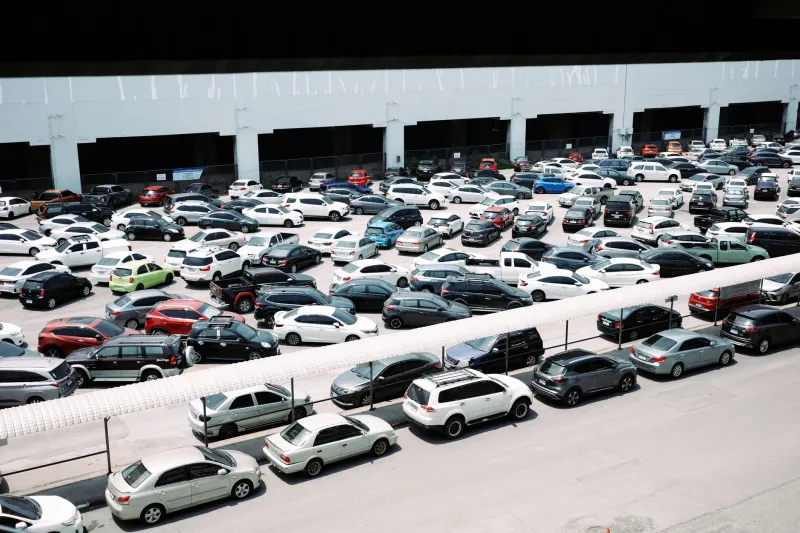
Most drivers assume rental fleets are just... there. A fixed pool of cars sitting in a lot, waiting to be handed over. But that's not even close to how it operates. Rental companies are constantly buying, selling, and shuffling vehicles based on projected demand curves. During high-season surges — think summer in Florida, ski season in Colorado, spring break in Vegas — companies inject fresh inventory into the markets that need it most. Newer model years, higher trim levels, better fuel economy. The good stuff.
When demand cools off? Those same vehicles get liquidated or redistributed. What stays behind is older inventory, higher-mileage units, and base-trim rentals that the company hasn't gotten around to cycling out yet. The off-season traveler isn't just getting fewer choices — they're often getting the leftovers.
Regional Disparities Are Wilder Than You Think
The gap between a peak-season rental market and an off-season one isn't subtle. Take Miami in January versus Miami in September. During the winter travel rush, South Florida rental lots are stocked with clean, late-model SUVs and convertibles because the demand justifies the investment. Come fall, when hurricane season has chased casual tourists away, the same lots are running leaner — and the pricing often doesn't reflect that reality.
Same story plays out in mountain towns. Aspen or Park City during peak ski weeks? Fleets are padded with AWD crossovers and capable winter-ready SUVs because rental companies know travelers need them and will pay for them. Visit those same areas in late October or early April and you're rolling the dice on whatever's left.
New England during fall foliage season is another textbook case. Demand spikes hard, inventory flows in from regional redistribution, and suddenly the Burlington, Vermont airport has a better selection than most major hubs. A month later? Back to a handful of compact sedans and a mystery minivan.
Why Prices Go Up Even When the Options Go Down
This is the part that really stings. You'd think that thinner inventory in slower seasons would translate to cheaper rates. Sometimes it does. But more often, rental companies are playing a different game — one where reduced fleet size actually supports higher per-unit pricing because they have fewer cars earning revenue. They'd rather charge more for fewer cars than discount a full lot.
The result is a frustrating paradox: off-peak travelers sometimes pay near-peak prices for significantly worse vehicles. It's not a glitch in the system. It's the system working exactly as designed.
The Shoulder Season Sweet Spot (And How to Find It)
Here's where it gets interesting — and where smart travelers can actually get ahead. The shoulder season, that narrow band between true peak and true off-peak, is where the real value hides. Think late May before Memorial Day weekend, or early September right after Labor Day. Rental companies still have peak-season inventory on hand but demand has softened just enough that prices start dropping.
You get the newer cars because the fleet hasn't been cycled down yet. You get the lower rates because the algorithm hasn't caught up to the demand spike. And you get fewer crowds at the counter, which means faster service and a better shot at a real upgrade.
Some specific windows worth targeting:
- Early June in beach destinations — summer inventory is fully stocked but school isn't out yet
- Late September in mountain regions — summer fleets haven't been redistributed but leaf-peepers haven't arrived in force
- February in major cities — post-holiday, pre-spring break, and rental companies are sitting on inventory they need to move
- Early December before the holiday crunch — fleets are fresh from fall additions and rates are still soft
How to Game the System Without Breaking a Sweat
Knowing the calendar is half the battle. The other half is knowing how to position yourself when you show up.
First, book early but check back often. Rates fluctuate constantly, and the inventory picture changes week to week. A car class that's sold out today might open back up as the company repositions vehicles from another market.
Second, don't anchor to a specific vehicle class. Flexibility is your biggest asset. Book the economy or compact rate, then ask at the counter what's available for a bump. In shoulder season especially, agents have more room to move because they're not under the same pressure as peak weeks.
Third, pay attention to which locations are getting inventory injections. Airport locations almost always get priority over off-airport or downtown lots. If you're flying in, you've already got the advantage. If you're picking up locally, call ahead and ask what's coming in — a real human on the phone will often give you information the app never will.
Fourth, consider repositioning your travel dates even slightly. A pickup on a Tuesday or Wednesday can unlock a completely different inventory picture than a Friday pickup at the same location. Rental companies move their best cars for weekend demand, so mid-week travelers often find fresher options sitting untouched.
The Bigger Picture for Driving Enthusiasts
If you care about what you're actually driving — and if you're reading GT Drivez, you probably do — the seasonal inventory game matters more to you than to someone who just needs four wheels and A/C. A driving enthusiast renting for a road trip through the Blue Ridge Parkway or across the California coast doesn't just want a car. They want the right car.
That means treating your rental strategy with the same intentionality you'd bring to route planning or hotel booking. The fleet isn't random. The pricing isn't random. The whole operation is a calculated algorithm, and once you understand its logic, you can stop being a victim of it and start being a beneficiary.
The rental lot lottery isn't completely fixed. But knowing which season to buy your ticket? That changes everything.