You Reserved It, But That Doesn't Mean You'll Drive It: The Chaos Behind Rental Car Allocation
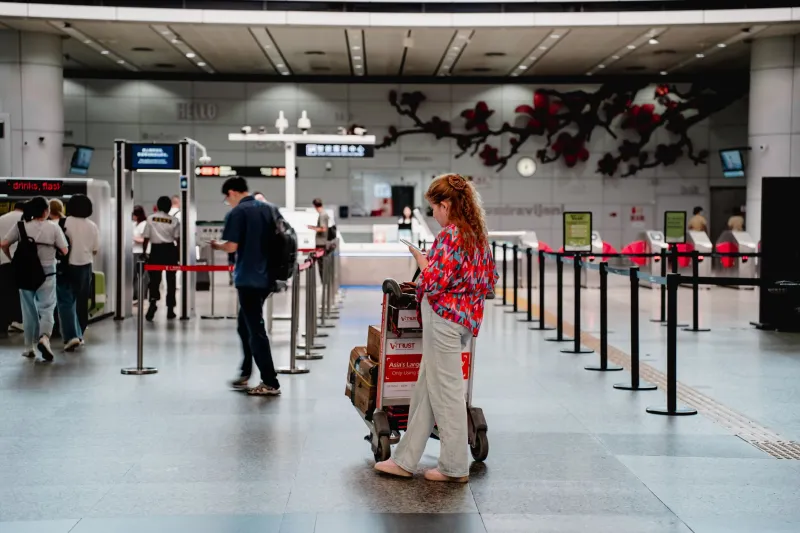
There's a particular flavor of frustration that only rental car customers know. You did everything right. You planned ahead, locked in your vehicle class, maybe even paid a little extra for a specific model. You show up at the counter, confirmation number in hand, ready to hit the road — and then the agent tilts their head just slightly and says, "So, we're showing your reservation, but we actually don't have that vehicle available right now."
And just like that, the road trip you planned starts with a detour you never asked for.
This isn't a rare glitch. It happens constantly, at airports and downtown locations and resort town lots all across the country. And the reason it keeps happening has less to do with bad luck and more to do with how rental car inventory systems actually work — which is messier than most people ever realize.
A Reservation Is a Promise With a Very Small Asterisk
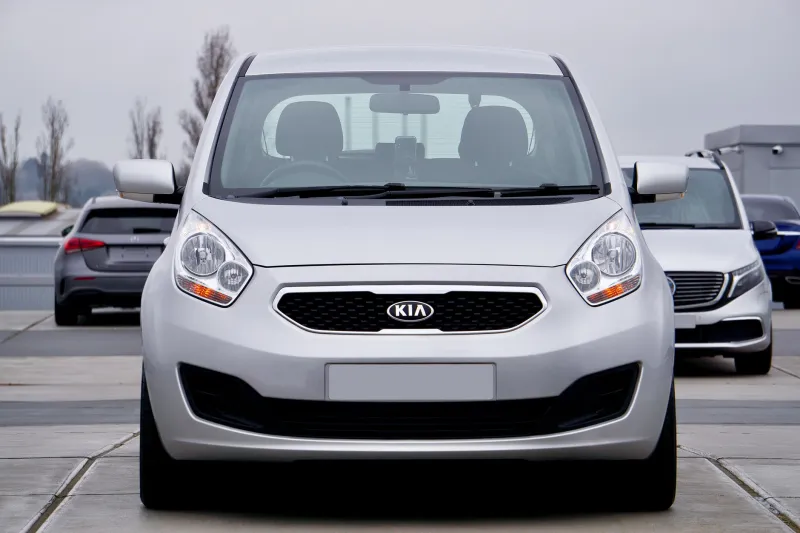
Here's the uncomfortable truth: when you book a rental car, you're reserving a vehicle class, not a specific car. That distinction sounds minor until you're standing at a counter in Phoenix at 11 p.m. after a delayed flight, being told the full-size sedan you booked is gone and the only thing left is a base-model economy hatchback.
Rental companies operate on a model that's surprisingly similar to airline overbooking. They routinely accept more reservations than they have vehicles to cover, banking on a percentage of no-shows and early returns to keep inventory flowing. When that math works, nobody notices. When it doesn't — when flights are delayed en masse, when a corporate account grabs a dozen vehicles without warning, when the previous renter doesn't return on time — the whole system starts cracking at the seams.
Former rental agents will tell you that the chaos is real and it's daily. One counter employee at a major airport location described it bluntly: "There are mornings where we know before we even open that we're going to have unhappy customers. The system oversold overnight and there's just nothing we can do at 6 a.m."
The Algorithm in the Middle
Modern rental fleets aren't managed by humans counting keys on a pegboard. They run on sophisticated yield management software — the same basic logic that powers airline ticket pricing and hotel room availability. These systems are constantly recalculating, pulling in data on reservations, returns, fleet location, damage status, and demand forecasting.
The problem is that real life doesn't cooperate with algorithms. A vehicle flagged for return at noon might not roll in until 3. A car that was supposed to be cleaned and ready might come back with a cracked bumper that grounds it for two days. A convention in town nobody accounted for might spike demand by 40 percent overnight.
When the algorithm can't square the circle, it starts making substitutions. It's not a person making a bad call — it's a system doing exactly what it was built to do, which is keep cars moving and revenue flowing. Your specific reservation just becomes a variable in that equation.
The Downgrade Dance
Here's where it gets interesting — and a little manipulative, if we're being honest.
Rental companies have gotten very good at managing customer frustration when they can't deliver what was booked. Agents are trained to frame substitutions carefully. They don't say "we don't have your car." They say things like "I've got something I think you're actually going to like" or "We're moving you into this one at no extra charge." The language is calibrated to make a downgrade feel like an upgrade, or at least a lateral move.
And sometimes it genuinely is. Getting bumped from a standard SUV into a larger one because that's what's on the lot? That's a win. But getting shuffled from a roomy crossover into a two-door economy car because that's all that's left? That's not a favor — that's the company absorbing its own inventory failure at your expense.
The psychological framing matters here. Agents often lead with positives — free upgrade language, waived fees, loyalty points — before you've even had a chance to process that you're not getting what you paid for. By the time you realize you've been handed a consolation prize, you're already holding the keys.
What You Can Actually Do About It
Knowing the system doesn't mean you're helpless. There are real moves that give you a better shot at getting what you booked — or something better.
Book directly through the rental company's app or website. Third-party booking platforms add an extra layer of disconnection between your reservation and the actual fleet. Direct bookings tend to get prioritized when inventory gets tight.
Join the loyalty program, even if you don't rent often. Loyalty members get preferential treatment when the lot is running short. It's not glamorous, but it works. Counter agents will frequently protect loyalty customers first when substitutions start happening.
Call ahead on the day of pickup. A quick call to the specific location — not the 800 number, the actual branch — lets you confirm inventory and flag your reservation. It also puts a human name to your booking, which matters more than it should.
Know your rights before you get to the counter. If you're downgraded, you're entitled to a rate adjustment. Never pay the original price for a lesser vehicle class. Most agents know this and will adjust without being pushed, but some will wait to see if you ask.
Push back calmly but clearly. Rental counter agents have more flexibility than they often let on. They can waive fees, apply credits, and in some cases make calls to nearby locations to source the vehicle you actually need. A frustrated customer who stays polite gets a lot further than one who goes straight to demanding.
The Bigger Picture
None of this is unique to one company. Every major rental brand — Enterprise, Hertz, Avis, Budget, National — runs some version of the same system. The industry has built its entire model around the assumption that a reservation is a soft commitment, not a hard guarantee.
For drivers who are passionate about what they get behind the wheel, that's genuinely frustrating. Whether you're picking up a rental for a weekend road trip through the Blue Ridge Parkway or grabbing something to commute in while your car's in the shop, the vehicle matters. It shapes the experience.
The best defense is just knowing the game. Understand that your confirmation number is the starting point of a negotiation, not the final word. Show up informed, stay flexible where you can, and push back where you should.
The road is still out there waiting. Don't let the counter stop you before you even start.