Your Confirmation Email Is Just a Suggestion: The Wild Truth About Rental Car Fulfillment

There's a particular kind of frustration that only road trippers and automotive enthusiasts truly understand. You spend time browsing the rental inventory, you pick the right vehicle class for your trip, you pay a little extra to secure it, and you screenshot that confirmation like it's a winning lottery ticket. Then you walk up to the counter at the airport, and the agent slides you keys to something you never agreed to.
Welcome to the rental car lottery — a system that's simultaneously more chaotic and more predictable than most people realize.
The Fine Print Nobody Reads (Until It Hurts)
Here's the uncomfortable truth buried in virtually every rental agreement: when you reserve a vehicle class, you're not actually reserving a specific car. You're reserving the right to be assigned a vehicle from that class — assuming one is available. That little asterisk is doing a lot of heavy lifting.
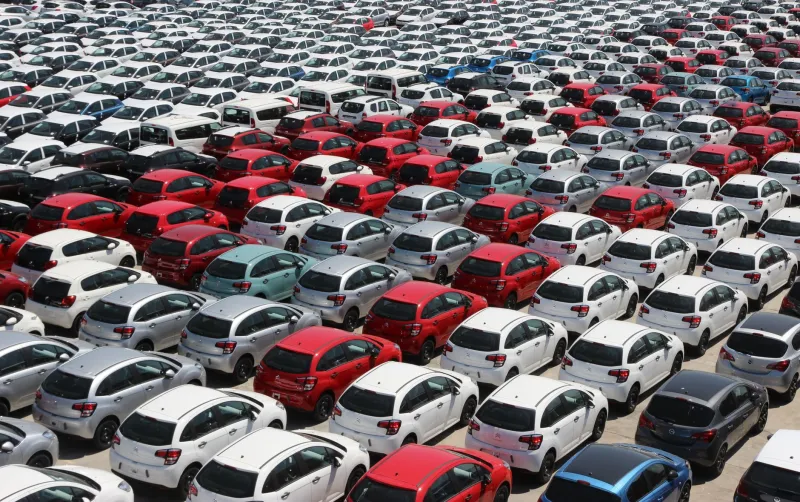
Rental companies operate on an overbooking model that would feel right at home in the airline industry. They sell more reservations than they have cars, banking on cancellations, no-shows, and extended rentals to balance the books. When the math doesn't work out in your favor, you're the one standing at the counter getting offered a "comparable alternative" that somehow doesn't feel comparable at all.
The algorithms managing these fleets are sophisticated, but they're not infallible. A single delayed flight can cascade into a dozen mismatched reservations. A customer who was supposed to return a vehicle that morning decides to keep it another day. A shuttle van from a corporate account takes priority over your leisure booking. The dominos fall fast.
The Counter Agent Has More Power Than You Think
Here's where things get interesting. While the algorithm does a lot of the sorting, the person standing behind that counter has genuine discretion — and seasoned renters know how to work that dynamic.
Counter agents can manually assign vehicles, flag reservations for specific upgrades, and in many cases override automated assignments entirely. They're also human beings who have dealt with difficult customers all day and are quietly rooting for the people who treat them like people.
Take Marcus, a frequent renter from Dallas who travels for work about 20 weeks a year. He's developed what he calls his "three-sentence approach" — introduce yourself by name, acknowledge that the agent is probably having a hectic day, and then make your ask specific and reasonable. "I don't walk in demanding anything," he told us. "I just say something like, 'I've got a long drive ahead and I was really hoping for something with a little more legroom — any chance you've got flexibility?' Half the time, they find something."
Contrast that with Jennifer, a travel blogger from Atlanta who once spent 45 minutes arguing with an agent about her confirmed reservation for a full-size pickup. She had the confirmation on her phone, the booking reference, screenshots — the whole arsenal. She left in a midsize crossover anyway. "The agent wasn't being difficult," she admitted later. "The truck genuinely wasn't there. No amount of arguing was going to conjure it out of thin air."
Timing Is Everything (And Most People Get It Wrong)
If you want to maximize your chances of actually getting the vehicle class you booked, timing your pickup matters more than almost anything else.
Early morning arrivals at airport locations tend to coincide with the previous night's returns being processed and cleaned. Fleets are closer to full, and agents have more options to work with. Mid-afternoon is arguably the worst time — you're catching the tail end of the morning rush-out and the pre-evening scramble, when inventory is at its thinnest.
Off-airport locations — the neighborhood branches that don't get as much foot traffic — often have better inventory control simply because they're running smaller, tighter operations. If your itinerary allows for it, picking up from one of those locations can meaningfully improve your odds.
Also worth noting: loyalty programs aren't just about points. Members at mid-tier status and above are often flagged in the system in ways that push their reservations toward confirmed availability rather than the overbooking pool. It's not foolproof, but it's a real advantage.
The Upgrade Trap and How to Avoid It
Rental companies have gotten clever about framing inventory mismatches as good news. "We've upgraded you to a premium SUV at no extra charge" sounds great — until you realize the premium SUV gets 18 miles per gallon and you've got a 600-mile drive ahead of you.
An upgrade in vehicle class isn't always an upgrade for your actual trip. If you booked a compact specifically because you need something nimble for city driving, getting bumped to a full-size sedan isn't a win. If you're picking up in a city where parking is a contact sport, a larger vehicle can turn your whole trip into a logistical headache.
Don't be afraid to decline an upgrade that doesn't serve your needs. This surprises a lot of renters — they assume they're obligated to take whatever they're offered. You're not. Ask what else is available in your original class, or ask whether something closer to your original booking is expected back soon.
What Actually Works: A Realistic Playbook
After talking to frequent renters, road trip veterans, and a few people who've worked behind the counter themselves, a few consistent strategies emerge:
Book directly with the rental company. Third-party booking platforms add a layer of abstraction that can work against you when things go sideways. Direct bookings are easier to modify and tend to be treated differently in the system.
Call ahead the day before. A quick call to confirm your reservation — and to specifically mention the vehicle type you're expecting — puts a human flag on your booking. It takes three minutes and costs nothing.
Be specific at the counter, not demanding. Know exactly what you want and why, and communicate it clearly. "I need good cargo space for camping gear" is more useful than "I want what I booked." Give the agent something to work with.
Have a backup ask ready. If your first choice genuinely isn't available, know your second preference before you walk in. Indecision at the counter doesn't help you or the agent.
Document everything before you leave the lot. This isn't directly about getting the right car, but if you do end up in something you didn't choose, a thorough walkaround with photos protects you from being held responsible for pre-existing damage on a vehicle you didn't pick.
The Bottom Line
The rental car confirmation is real — but it's a reservation against a class, not a contract for a specific vehicle. The system is imperfect by design, and the people running it at the counter level have more flexibility than most renters ever try to access.
The drivers who consistently land good vehicles aren't just lucky. They show up informed, they communicate clearly, and they treat the whole transaction like a conversation rather than a confrontation. In a system built on algorithmic chaos, a little human connection goes further than any confirmation screenshot ever will.
Fuel your passion, do your homework, and hit the road in something worth driving.