My Car for a Week: The Underground World of Renters Who Refuse to Drive Vanilla
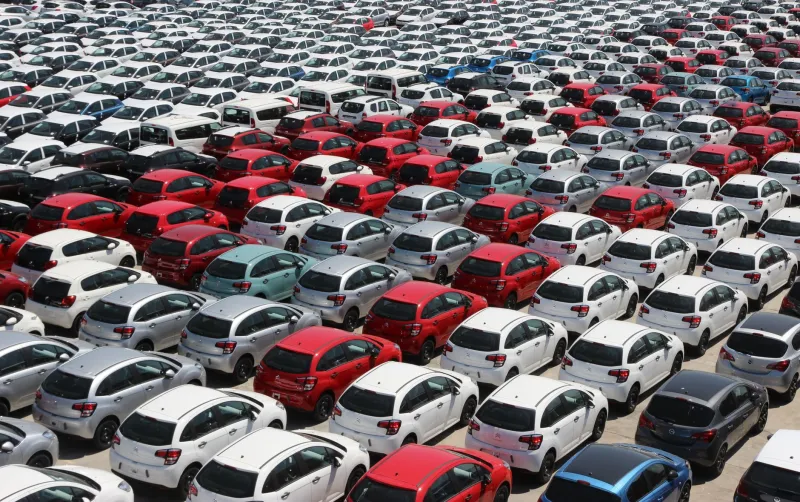
Walk through any major rental car lot in America right now and you'll see the same thing: rows of silver, white, and gray sedans with identical interiors, identical smells, and identical personalities. Which is to say, none at all. For most travelers, that anonymity is just part of the deal. You grab the keys, you drive to your hotel, you return the car, you forget it ever existed.
But for a surprisingly passionate subset of drivers, that blank slate is an invitation.
They're showing up with tote bags full of accessories. They're swapping out floor mats, clipping on custom phone mounts, and in some cases hauling in portable Bluetooth speakers to replace the factory audio. They're making rental cars — cars they don't own and will never see again — feel like their cars. And the rental companies? They're starting to notice.
The Blank Slate Problem
There's a real psychological phenomenon at work here. Automotive psychologists and behavioral researchers have long noted that drivers feel more confident, more comfortable, and more engaged behind the wheel of a car that reflects their identity. When you strip all of that away — as rental cars inherently do — you're left with a driving experience that feels disconnected and weirdly impersonal.
For enthusiasts especially, that disconnect is hard to ignore. These are people who've spent years dialing in their daily driver exactly how they like it: the seat position, the mirror angles, the vents, the scent hanging from the rearview. Climbing into a rental that smells like someone else's weekend and has the seat jammed up against the dash is more than inconvenient. It's genuinely disorienting.
So they adapt.
"I travel for work about fifteen weeks a year," says Marcus, a mechanical engineer from Austin who asked us not to use his last name. "I started bringing a small bag with me — my own phone mount, a set of seat covers I like, and a little USB hub. Fifteen minutes after I pick up the car, it feels like mine. I drive better. I'm less stressed. It's worth every second."
Marcus isn't alone. Online communities on Reddit and various car forums are full of threads where renters swap tips on the best removable accessories, which mounts don't leave marks on dashboards, and how to pack light while still transforming a generic Nissan Sentra into something tolerable for a week.
How Far Does It Go?
Most renters in this space operate with a pretty sensible code: nothing permanent, nothing that could be mistaken for damage, and nothing that alters the vehicle's mechanical function. Magnetic phone mounts. Seat-back organizers. Collapsible trash bins. A set of WeatherTech-style mats slipped in over the factory ones. These are the bread and butter of the casual personalizer.
But push a little further into the community and you'll find people who've gone considerably further. Portable Bluetooth speakers that tap into the aux jack. Steering wheel covers — a surprisingly contentious item, as they can affect airbag deployment if fitted incorrectly. Clip-on dash cameras. Even temporary window tint film, though that one tends to raise eyebrows.
Jasmine, a freelance photographer based in Atlanta who rents cars for extended shoots across the Southeast, told us she once brought a full set of ambient lighting strips that she'd rigged to be powered by the USB port. "I was shooting a lot of night work and needed the cabin to feel a certain way," she explained. "I took everything off before I returned it. The car was cleaner than when I got it."
The line between harmless personalization and genuine modification gets blurry fast, though. And rental companies are increasingly aware that something is going on.
What the Companies Say
Officially, every major rental company in the US prohibits modifications to their vehicles. The fine print in most rental agreements includes language that holds renters responsible for any alterations — intentional or otherwise — and some contracts specifically call out "additions or attachments" as violations that could void your coverage and trigger additional charges.
In practice, enforcement has historically been lax simply because most accessories leave no trace. But that's changing. As rental fleets grow more connected — with telematics systems, in-car cameras at some locations, and increasingly detailed digital condition reports — companies are getting better at spotting things that don't belong.
A spokesperson for one major national chain told us (off the record) that they've seen a notable uptick in vehicles returned with adhesive residue, small mount suction-cup marks on windshields, and in a handful of cases, wiring that had clearly been tinkered with. "We're not trying to be the fun police," the spokesperson said. "But our vehicles are shared property, and we have to return them to the next customer in good condition."
Some companies are even beginning to update their damage assessment protocols to specifically flag interior modifications, particularly anything involving the infotainment system or electrical ports.
The Psychology of Ownership You Don't Have
Here's the part that makes this trend genuinely fascinating from a car culture standpoint: why does it matter so much to personalize something you're going to hand back in six days?
The answer, according to behavioral researchers who study consumer psychology, is something called "psychological ownership" — the feeling that an object is yours even when it legally isn't. It's the same force that makes people rearrange furniture in hotel rooms or tape photos to their cubicle walls at work. Humans are wired to claim space, and that instinct doesn't shut off just because you're behind the wheel of a 2024 Hyundai Elantra with 14,000 miles on it.
For car enthusiasts, this impulse is amplified. Driving isn't just transportation — it's identity. And identity doesn't go on pause because you're between personal vehicles.
"I think it's actually a sign of how much people care about driving," says Marcus. "If you didn't care, you'd just sit in whatever they gave you. The fact that people go out of their way to make it theirs — that's passion. That's a car person."
Playing It Smart
If you're the type who can't stomach a week in a stripped-down rental without making it feel a little more human, there's a smart way to do it. Stick to fully removable accessories. Avoid anything adhesive unless you're confident it comes off clean. Never touch the wiring. And always — always — do a thorough sweep of the interior before you return it, because that phone mount clip you forgot between the seats becomes your problem the second you sign off on the return.
The rental car rebellion isn't going anywhere. If anything, as more Americans spend more time in temporary vehicles — whether for work, road trips, or the growing rent-don't-own lifestyle — the desire to make those cars feel personal is only going to intensify.
Just make sure you leave no trace. The next driver might be starting their own transformation the moment you walk away.