Fleet Spec vs. Showroom Spec: The Hidden Differences in the Car You're Actually Renting
You walk up to the rental counter, hand over your license and credit card, and get handed the keys to what looks like a perfectly ordinary midsize sedan. Same model you've seen on TV commercials. Same badge. Same body lines. And yet — something feels a little off the moment you pull onto the highway. The steering's a bit vague. The ride's stiffer than you expected. The interior trim looks like it was sourced from a parallel universe where plastic is a luxury material.
You're not imagining it. What you're driving is almost certainly a fleet-spec vehicle, and it's a different animal than what you'd find on a dealership lot.
What Is a Fleet-Spec Vehicle, Anyway?
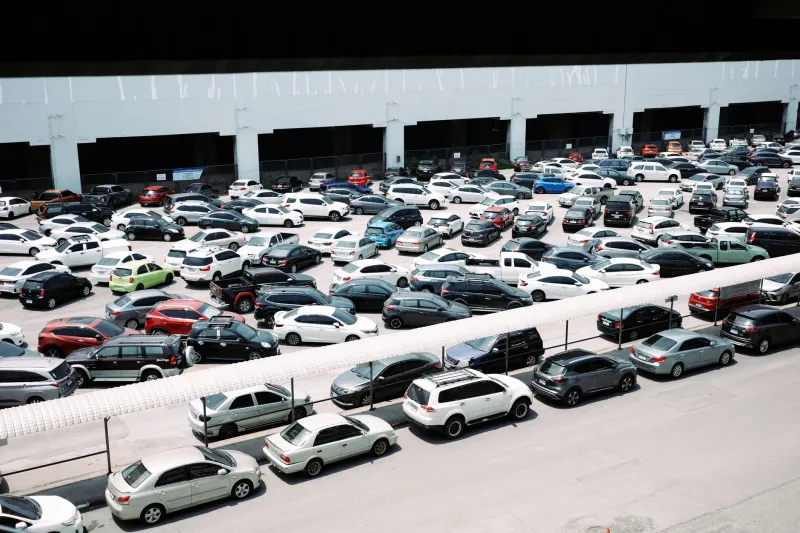
Automakers don't just sell cars to individual buyers. A massive chunk of their annual volume goes straight to rental companies, corporate fleets, and government agencies. To make that work financially for both sides, manufacturers offer what are essentially purpose-built variants — stripped down, durability-focused versions of consumer models that get ordered in bulk at significantly reduced per-unit costs.
The deal makes sense on paper. Rental companies like Hertz, Enterprise, and Avis need cars that can absorb thousands of miles from hundreds of different drivers without falling apart. Manufacturers get to move inventory at scale. Everybody wins — except maybe the renter who was expecting the same driving experience they got during a test drive at their local Toyota store.
Under the Hood: Engine Tuning and Performance Differences
Here's where things get interesting. Fleet vehicles often share the same engine displacement as their consumer counterparts, but that doesn't mean they're tuned the same way. Manufacturers frequently dial back power output, throttle response, and rev limits on fleet units to reduce wear on drivetrain components and lower long-term maintenance costs.
A 2.5-liter four-cylinder that makes 203 horsepower in a consumer trim might be software-limited to somewhere in the 185–190 range in a fleet configuration. You won't find that on any brochure. The difference won't get you laughed off the freeway onramp, but it does explain why that rental feels a little breathless when you're merging onto I-95 with a full car and luggage.
Transmission calibration is another area where fleet variants diverge. Shift points are often programmed for fuel economy and transmission longevity rather than driver engagement. Expect earlier upshifts, lazier kickdown response, and a general sense that the car is trying very hard not to work any harder than it absolutely has to.
Suspension and Handling: Built to Absorb, Not to Entertain
If there's one area where fleet engineering is most obvious, it's the suspension. Rental cars take an absolute beating — curbs, potholes, aggressive lane changes, and the full spectrum of American road quality from freshly paved interstate to crumbling city streets. To handle all of that without constant trips to the shop, fleet suspensions are typically configured with stiffer bushings, higher spring rates, and more conservative alignment specs than you'd find on a consumer model.
The result? A ride that's more composed over serious impacts but noticeably less refined over the kind of highway expansion joints and road texture that a consumer-tuned suspension would absorb quietly. Handling feels more wooden. The car tracks straight and predictably, but there's none of the feedback or body control that makes driving actually enjoyable.
Some manufacturers go further, fitting fleet cars with heavier-duty brake components rated for higher heat cycles — a smart move given that rental drivers brake harder and more unpredictably than typical owners. That part, at least, works in your favor.
Interior Materials: Where the Budget Really Shows
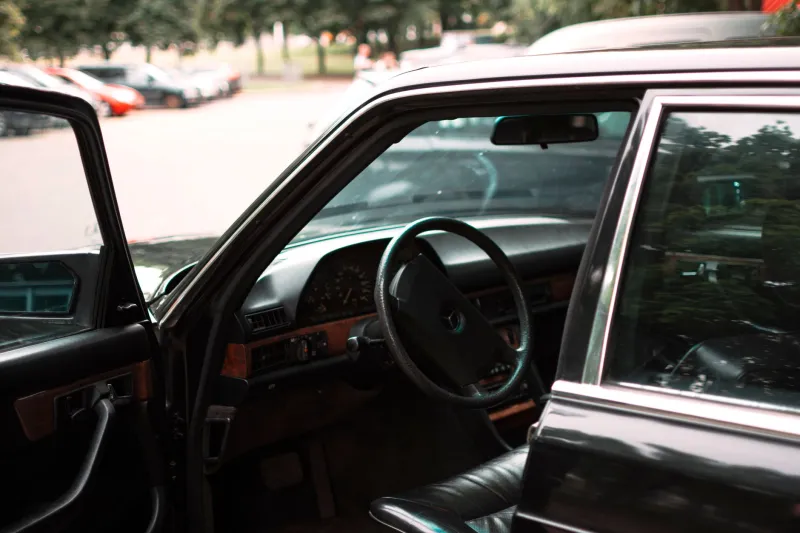
Open the door of a fleet-spec rental and you're entering a world of intentional austerity. Seat fabric is chosen for abrasion resistance and ease of cleaning, not comfort. Armrest padding is minimal. Door panel materials are harder. The steering wheel might be wrapped in a thicker, grippier material that feels nothing like the leather or soft-touch options you'd find on a consumer trim level.
Dashboard plastics are frequently a grade harder than what consumer buyers receive — again, all about durability. Automakers know that rental interiors face spilled coffee, sunscreen, sand, food, and whatever else a rotating cast of renters brings with them. The materials have to survive it all without looking completely destroyed after six months.
One particularly notable area: seat foam density. Fleet seats are often firmed up compared to consumer specs, which sounds counterintuitive but actually helps them hold their shape longer under heavy use. For a short rental, you might not notice. On a three-day drive from Chicago to Denver, you'll feel it.
Infotainment and Tech: Sometimes You Actually Win Here
Not every fleet-spec difference is a downgrade. Because rental companies negotiate large contracts and prefer consistency across their fleets, they sometimes end up with vehicles loaded with tech that makes sense to spec at volume — backup cameras, Apple CarPlay, and lane-keep assist are increasingly standard across rental fleets even on base trim levels.
The catch is integration quality. Infotainment systems in fleet vehicles sometimes run older software versions that never get updated the way a privately owned car's system would. You might be driving a 2024 model year vehicle with a UI that feels two years behind. Connectivity quirks are common, and don't expect the dealership-level setup walkthrough that helps consumer buyers get comfortable with the system.
How to Drive a Fleet Car Like You Know What's Going On
Knowing what you're actually driving changes how you approach it. A few practical adjustments make a real difference:
Give it more throttle than you think you need. Fleet tuning means the car is programmed to resist working hard. If you're used to a more responsive vehicle, you'll need to push a bit deeper on the pedal to get the response you're expecting, especially when merging or passing.
Brake earlier. Fleet brake components are built tough, but the pedal feel is often less communicative than consumer setups. Give yourself extra stopping distance until you get a feel for the car's actual braking character.
Don't fight the steering. Fleet alignment specs prioritize straight-line stability. The car wants to go straight. Work with it rather than against it, especially at highway speeds.
Adjust your seating position more than once. Fleet seat foam compresses differently than consumer foam. What feels right at the lot might need tweaking after an hour on the road.
The Bottom Line
None of this means rental cars are bad. They're purpose-built tools, and they do their job — getting you from point A to point B reliably, mile after mile, driver after driver. But walking in with eyes open about what you're actually driving makes you a smarter, safer, and frankly more satisfied renter.
Next time you pick up the keys, think of the car less as a consumer product and more as commercial equipment. Respect the engineering decisions that went into it, understand where its limits are, and drive accordingly. You might be surprised how much more enjoyable the experience becomes once you stop comparing it to something it was never designed to be.