Scraps From the Auction Block: How Rental Giants Are Quietly Rebuilding Their Fleets With Used Iron
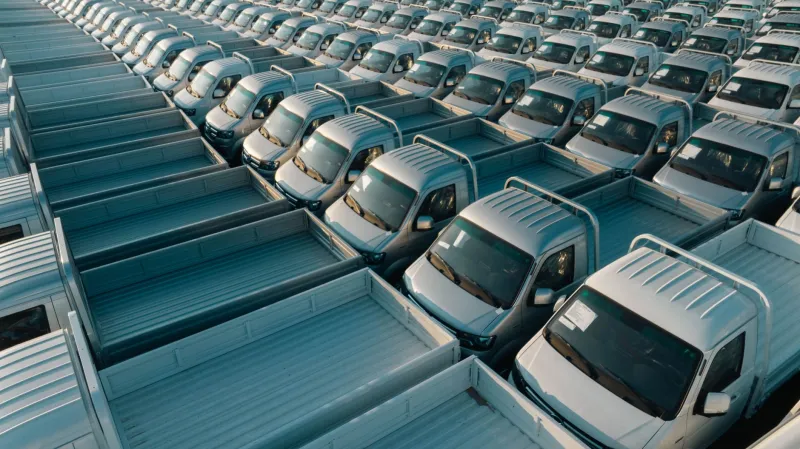
Walk through a Manheim auction lot on a Tuesday morning and you'll notice something that didn't used to happen — rental company buyers showing up with serious money and serious intent. Not to offload their aging inventory, but to buy. Used cars, high-mileage SUVs, off-lease sedans, the kind of vehicles that used to get waved past by fleet managers focused on factory-fresh orders. Something has changed, and it runs deeper than a quarterly blip.
The major rental players — Hertz, Avis, Enterprise — built their business models on a pretty clean cycle: buy new vehicles at fleet pricing directly from manufacturers, run them for 12 to 18 months, then sell them into the used market at a reasonable profit. New car, predictable depreciation, known maintenance schedule. It was tidy. It worked for decades.
Then the pandemic broke the supply chain, chip shortages gutted new car production, and suddenly that tidy cycle turned into chaos. And even as production has recovered, the habits formed during that chaos haven't fully unwound. Rental companies discovered something uncomfortable: they could actually make the used-car strategy work, at least on paper. So now they're leaning into it.
Why the Numbers Started Making Sense
Fleet pricing from manufacturers used to be a serious advantage. Rental companies could buy cars at below-invoice rates, sometimes significantly below, because the volume justified it. That advantage has eroded. Manufacturers, flush with consumer demand for new vehicles and aware that the rental channel was beating up their resale values, started pulling back on fleet incentives. Some brands — BMW, Mercedes — had already limited rental fleet sales to protect their image. Others quietly reduced the discounts.
At the same time, used car values went through the roof. During the supply crunch, rental companies were selling used vehicles for more than they'd paid for them new. That was a temporary gift. But it also trained the industry to watch auction floors more carefully. When values eventually normalized, the infrastructure for buying at auction was already in place.
"The buying operation is there now," one fleet sourcing manager, speaking without attribution, told us. "You don't just walk away from that. You redirect it."
So instead of selling at auction, they started buying. Off-lease vehicles with 30,000 to 50,000 miles. Dealer trade-ins. Fleet vehicles from corporate accounts. Anything that fits the profile of a reliable rental unit at a price that pencils out better than a new factory order at reduced incentives.
What This Looks Like at the Counter
For drivers, the shift shows up in a few ways, not all of them obvious.
First, vehicle age. You're more likely now to get into a rental car with 40,000 miles on it than you were five years ago. That's not necessarily a problem — modern vehicles are genuinely durable — but it changes the experience. The new car smell is gone. The infotainment might be a generation behind. The seats have been broken in by a few hundred strangers before you.
Second, model variety. New fleet orders tend to cluster around specific trim levels and configurations that rental companies negotiate in bulk. Used auction purchases are messier. You might find a mid-size sedan with a sunroof and heated seats because that's what happened to be available. Or you might find a base trim with cloth seats and no navigation. The consistency that defined the rental car experience is loosening.
Third, and this is where it gets interesting for enthusiasts — you occasionally find something unexpected. A performance trim that ended up at auction after a lease return. A rear-wheel-drive configuration that wouldn't have made a standard fleet order. The auction floor doesn't sort for boring.
The Maintenance Question Nobody Wants to Answer
Here's where the used fleet strategy gets complicated. Rental companies have sophisticated maintenance programs for vehicles they've owned from new. They know the service history because they created it. A car sourced at auction has a past life, and that past life is only as transparent as the documentation the previous owner bothered to keep.
Industry insiders acknowledge this is a real tension. "You're doing your best due diligence at the auction," another fleet operations contact told us. "But you're not always getting a complete picture." Rental companies run mechanical inspections, of course. But an inspection catches what it catches. It doesn't replace knowing where the car has been.
For renters, this is mostly invisible. You sign the agreement, you take the keys, you drive. But if you've ever wondered why a rental car felt slightly off — a shimmy at highway speed, a brake pedal that didn't inspire confidence — the used-fleet model adds another possible explanation to the list.
The Pricing Paradox
Logically, you might expect that buying cheaper vehicles at auction would translate to lower rental prices. It hasn't worked out that way. Rental rates have stayed elevated since the pandemic and show no real signs of retreating to 2019 levels. The margin improvement from used-car sourcing is getting absorbed into profitability and debt servicing — Hertz's well-documented financial struggles, for instance, don't leave a lot of room for consumer-friendly pricing decisions.
What the used-fleet strategy has done is allow rental companies to maintain fleet size without committing to the large new-vehicle purchase orders that manufacturers now price more aggressively. It's a defensive move as much as an offensive one.
What Smart Renters Should Do With This Information
Knowing the landscape helps you work it. A few practical takeaways:
Inspect more carefully. The pre-rental walkaround matters more when fleet age and history is less consistent. Document everything before you leave the lot.
Ask about model year. Rental counter agents can usually tell you the year of the vehicle in your class. If you're booking for a long trip, it's worth asking.
Loyalty programs still help. Hertz Gold, Avis Preferred, National Emerald — these programs still get you first access to the better vehicles in the lot, which matters when the inventory is more varied than it used to be.
Consider smaller operators. Independent rental companies and regional chains sometimes have tighter, better-maintained fleets because their volume is lower and their reputation is more locally dependent.
The rental industry is in a genuine transition, and the auction floor is where a big piece of that transition is happening. Whether it stabilizes into a new normal or creates ongoing turbulence for drivers, one thing is clear: the car you rent today has a more complicated backstory than it used to.